
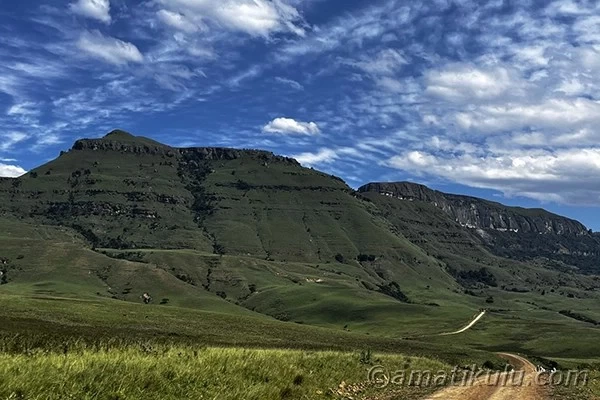
Injisuthi Camp – Central Drakensberg
Injisuthi Camp – Drakensberg
Injisuthi Camp in the Drakensberg mountains is a top choice for hikers and nature lovers seeking serenity. This article gives you a snapshot of staying at the camp, including accessing trails and reveling in the breathtaking landscape, without spoiling the deep dive to come on facilities, activities, and the journey there.
Key Takeaways
- Injisuthi Camp offers stunning views and serves as a base for numerous hiking trails in South Africa’s Drakensberg, nestled between iconic peaks in a richly diverse ecosystem.
- The camp provides a range of accommodations from self-catering chalets to camping sites, with facilities like basic groceries, but visitors are advised to bring their own supplies due to the remote location.
- Visitors can enjoy diverse activities such as trout fishing and exploring San rock art, while ensuring they adequately prepare for the wilderness setting and respecting the area’s natural and cultural heritage.
Exploring the Heart of Injisuthi Camp
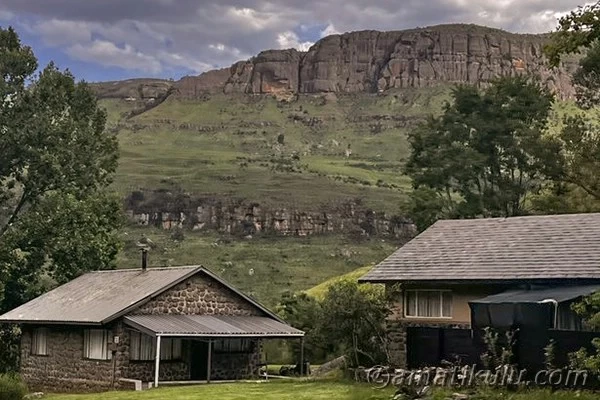
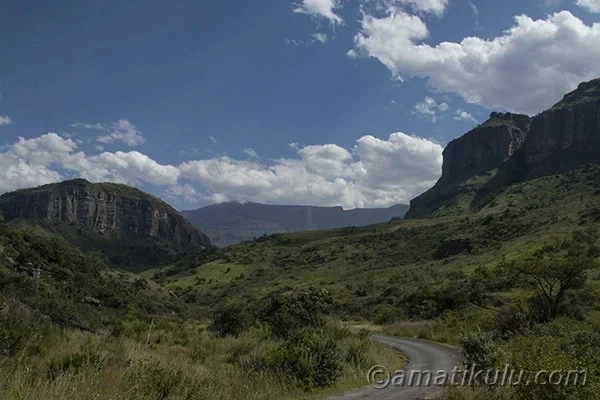
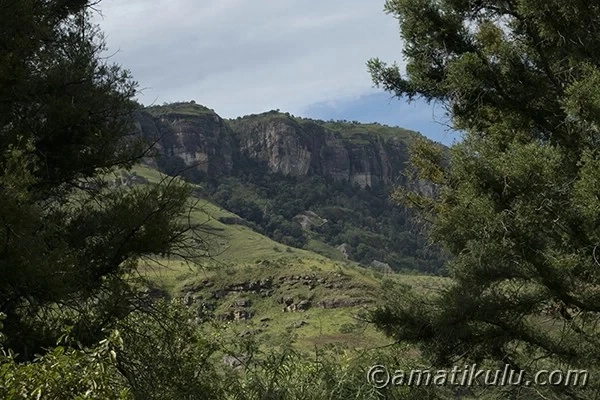
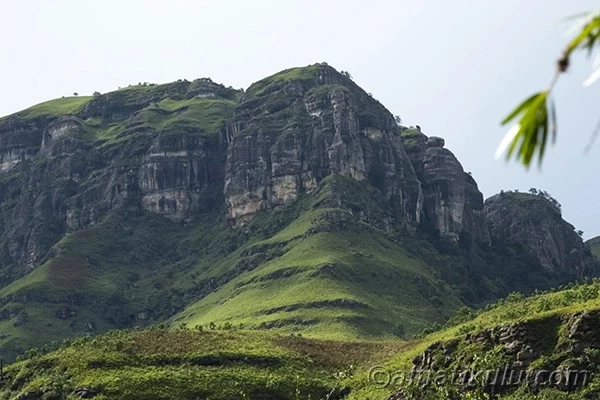
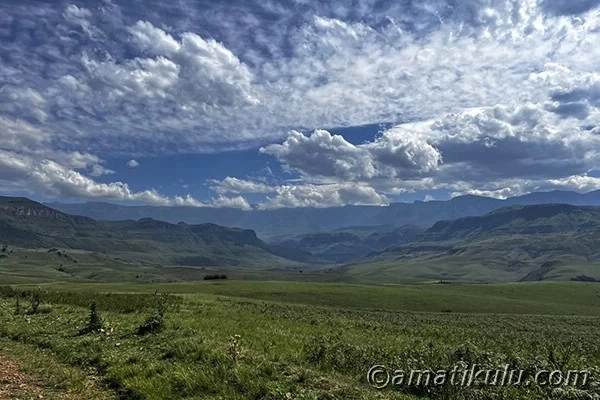
Nestled in the heart of South Africa, a gem beckons you with promises of a pure wilderness experience. Injisuthi Camp, strategically located between Giant’s Castle and Cathkin Peak resorts, is enveloped in a breathtaking environment. Here, visitors are treated to panoramic views of Monks Cowl, Cathkin Peak, and down into the Champagne Valley. The camp serves as a gateway to adventure, inviting you to experience the allure of the Injisuthi Valley and the extensive hiking trails leading from the camp area.
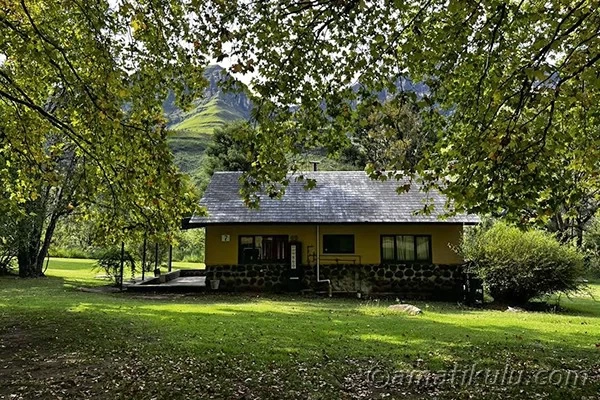
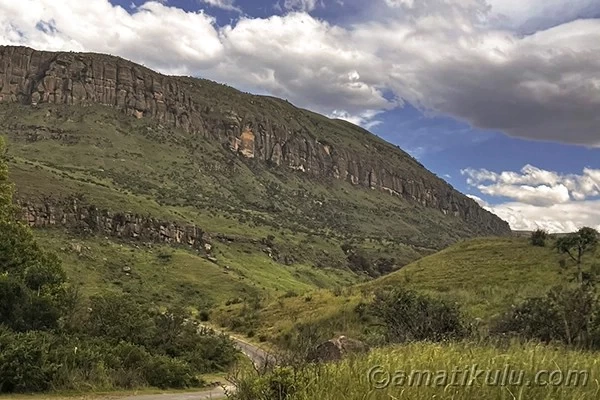
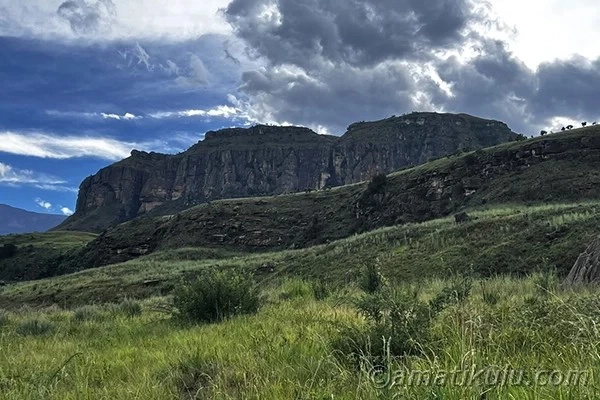
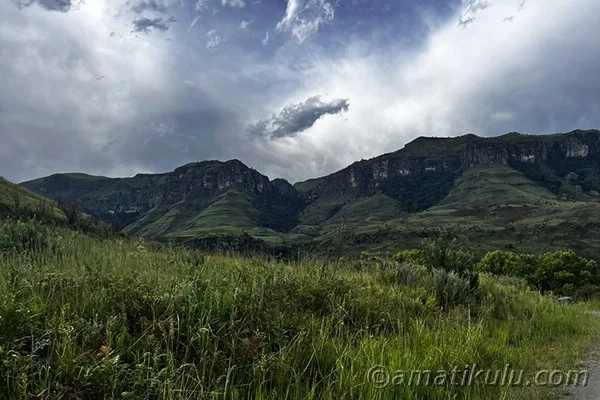
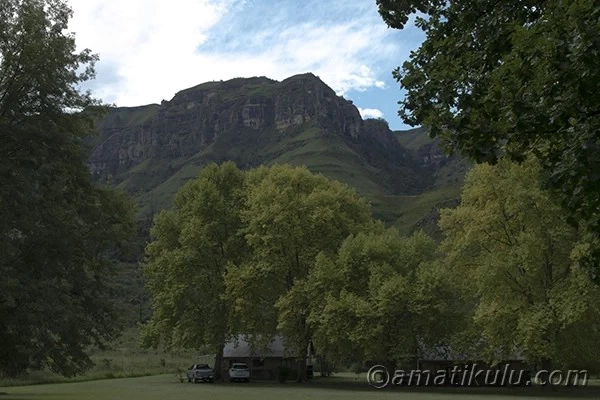
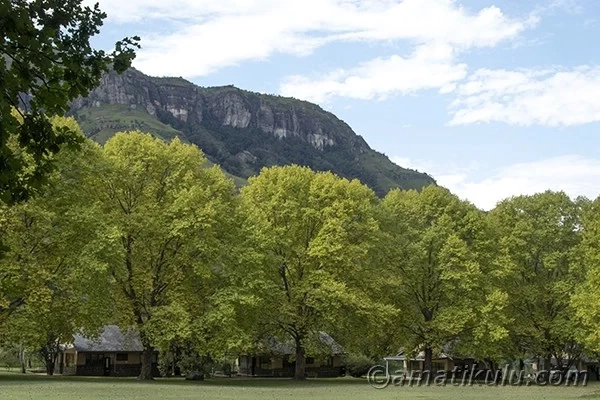
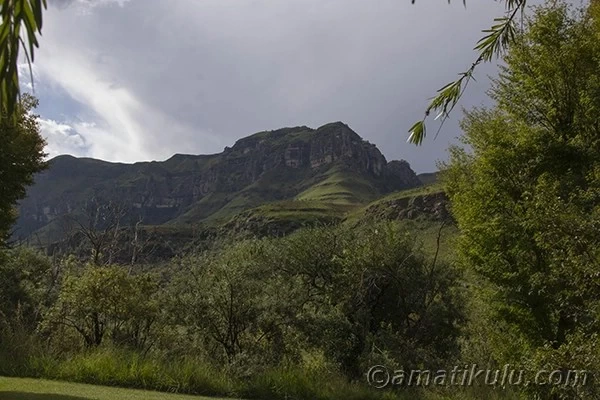
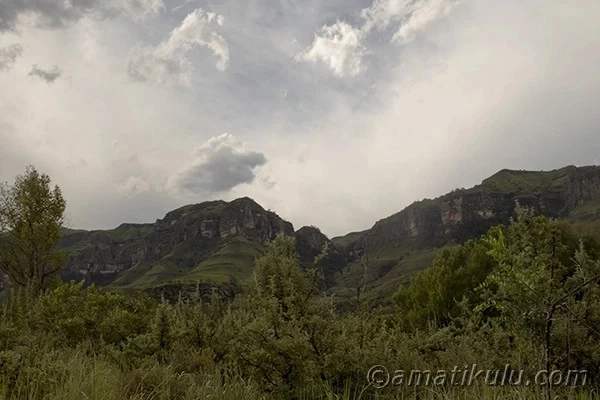
Gazing from the camp, the Injisuthi Valley unfurls before you, framed by iconic peaks including Cathkin Peak, Monks Cowl, and Champagne Castle. This spectacular scenery, dominated by Cathkin Peak, creates an extraordinary backdrop, setting the stage for an unforgettable experience in Southern Africa’s pristine wilderness.
The Allure of Injisuthi Valley
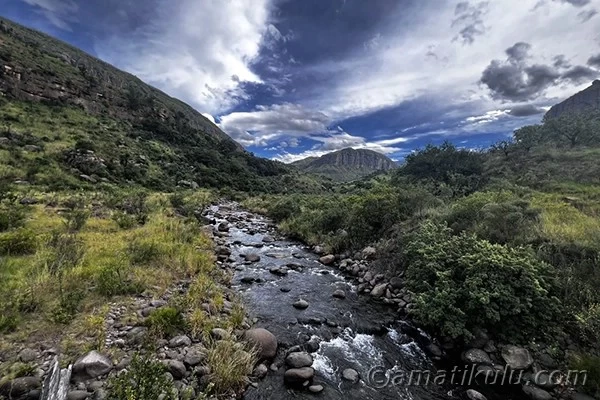
Cradled between the Injisuthi and Cowl Fork Rivers, the Injisuthi Valley is a spectacle to behold. The valley is flanked by iconic peaks, weaving a spectacular mountain landscape that takes your breath away. The Mdedelo Wilderness Area within the valley represents a remote mountain wilderness untouched by direct human impact, lending to the region’s pristine beauty. Whether you’re an adventurer seeking thrills or a nature lover yearning for peace and tranquility, Injisuthi Valley will not disappoint.
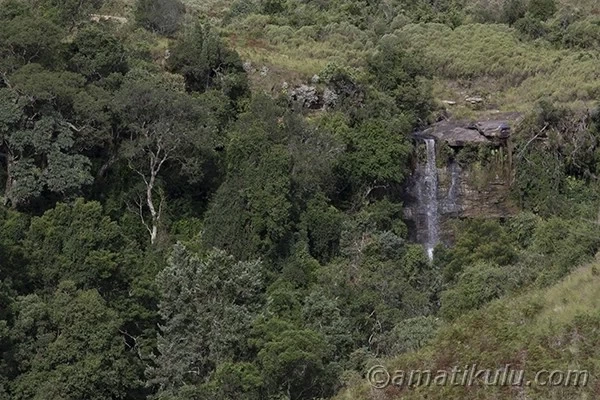
Imagine spending a misty family holiday nestled in the heart of the Injisuthi Valley, waking up to the sound of the bubbling rivers, and embarking on several extensive hiking trails that traverse the valley. And when you need a refreshing break, the nearby Gorge Pools, easily accessible from the road into or out of Injisuthi, offer a serene escape. With waterfalls, rapids, and gloriously refreshing rock pools, they are the perfect antidote to a day of exploration.
Navigating to Injisuthi Camp
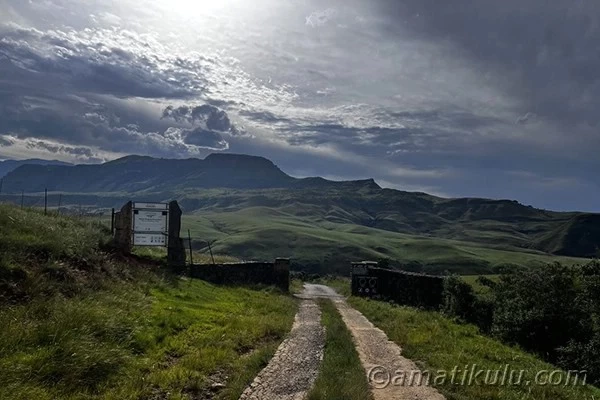
Adequate preparation is key, even though the journey to Injisuthi Camp is part of the adventure. The road leading to the camp includes a roughly 4 km unpaved section followed by 7 km of tarred road that may have potholes. Although the dirt road is accessible with a small sedan when driven carefully, it’s advised to arrive in a 4×4 vehicle for a more comfortable journey. Remember, the adventure begins the moment you start your journey to the camp.
Despite the road conditions, the journey to the camp is worth every minute. Estcourt, the nearest town providing facilities such as an ATM, bank, and supplies, is located approximately 60 km from Injisuthi Camp. The road conditions to Injisuthi can become slippery after rain, but are generally manageable with careful driving. Just keep in mind that the wilderness experience starts with the drive itself!
Planning Your Journey
The excitement of your trip to Injisuthi Camp can start with the planning process itself. Traveling by car to the camp takes about three hours from Durban and approximately five hours from Johannesburg. But remember, it’s not about the destination, but the journey. The drive to the camp offers a chance to take in the breathtaking landscapes of the Maloti-Drakensberg Park.
Checking the weather forecast is a crucial step before you hit the road. Weather in the Drakensberg region can change unexpectedly, so being prepared for any eventuality is key to a safe and comfortable trip. Also, due to the potential for rapid changes in road conditions in mountainous areas, it’s essential to verify the road status before departure. A well-planned journey ensures a smooth and enjoyable travel experience to Injisuthi Camp.
Accommodation Options
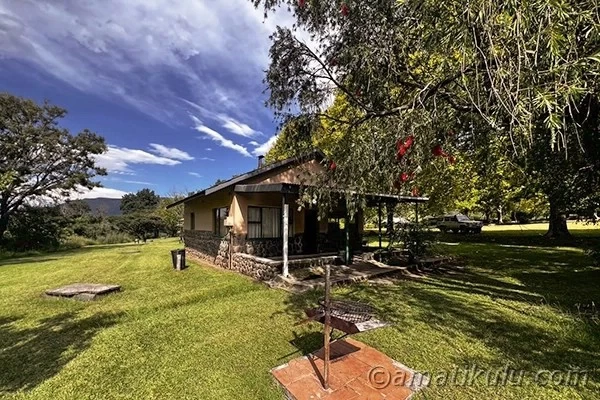
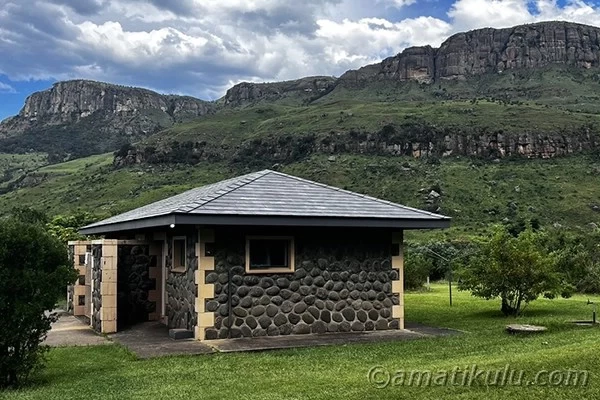
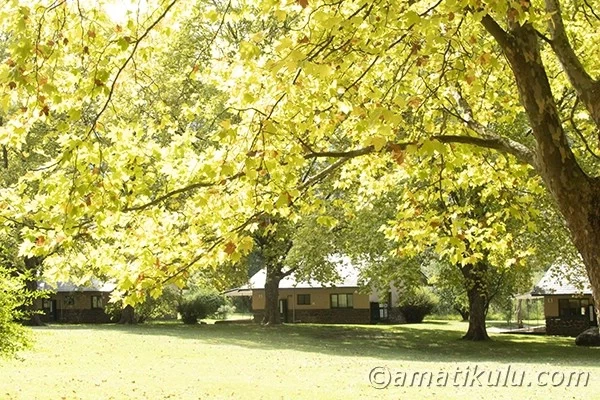
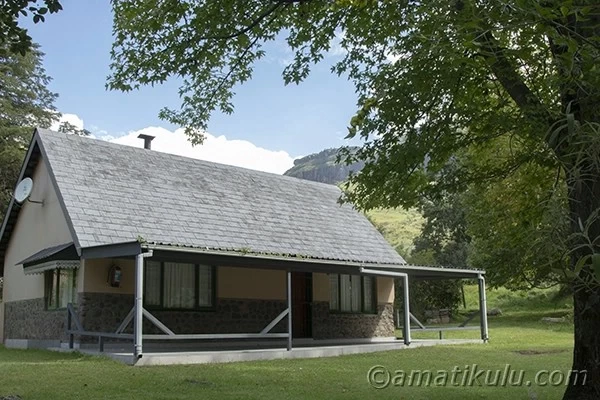
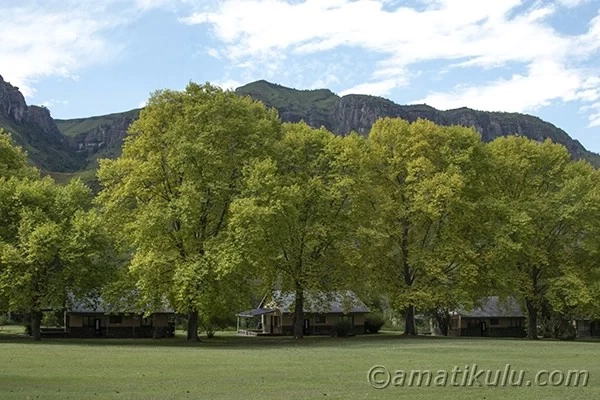
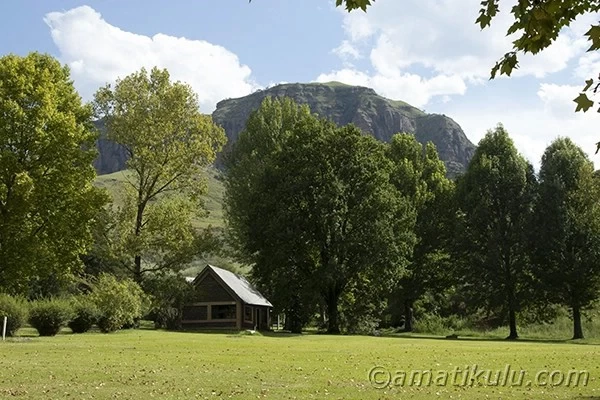
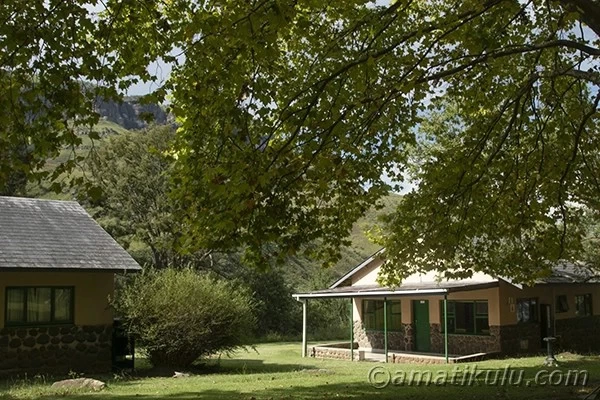
Once the journey is navigated, your next step is to settle into your chosen accommodation. Injisuthi Camp offers a variety of self-catering accommodation options to suit your needs. Whether you prefer the comfort of a 4-bed chalet, the space of an 8-bed group cabin, or the rustic charm of a 2-bed safari tent, there’s an option for you. All accommodations provide a comfortable stay amidst natural surroundings, ensuring you feel at home in the heart of the wilderness.
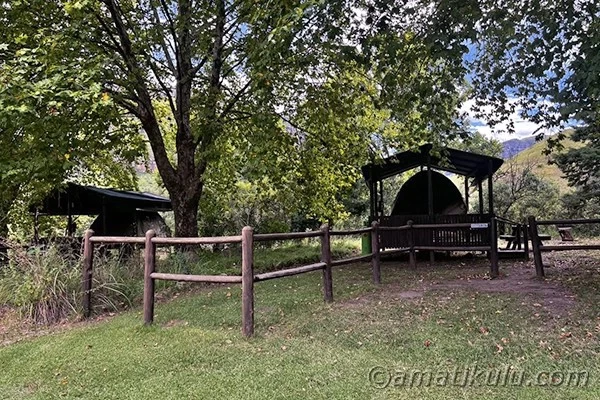
For those who prefer the great outdoors, the campsite can accommodate 120 people across 20 sites. Each site offers basic braai facilities and access to a central ablution block with hot and cold water. Although caravans are not permitted, the site is accessible to all vehicles, making it a convenient choice for families and groups. No matter your choice of accommodation, Injisuthi Camp ensures a well-organized and secure stay.
Activities
Adventure Trails and Hikes
For the adventurous at heart, Injisuthi Camp is a paradise. The camp serves as a central hub for a myriad of hiking trails ranging in difficulty. Whether you’re planning routes north towards Cathedral Peak, south to Giant’s Castle, or challenging options like Injisuthi Pass, there’s a trail for every level of adventurer. Accessible trails like Leslie’s Pass offer immersive experiences through forests, alongside rock pools, and up steep inclines, promising an adventure-filled itinerary for your stay.
If you’re up for a day hike, popular choices include the Van Heyningen’s Pass to View Point and the hike to the Centenary Hut. Both offer moderate and strenuous options, catering to a range of fitness levels. For multi-day treks, there are five designated overnight caves for hikers, including Lower and Upper Injisuthi Caves, Grindstone Cave, Marble Baths Cave, and Wonder Valley Cave, all positioned at strategic locations to aid in your adventure. But remember, every hike is a journey in itself, so take the time to soak up the magnificent scenery and immerse yourself in the pure wilderness experience.
Tackling the Trails
Filling out the Mountain Rescue Register at the Injisuthi base camp is a mandatory step before embarking on any hikes. Details like the hiking party’s composition, supplies, and planned routes must be provided. This ensures that the rescue team is equipped with necessary information in case of any unexpected events. And remember, it’s equally important to sign back into the mountain rescue register correctly upon safe return to avoid triggering unnecessary search and rescue efforts.
Equipping yourself with essential gear is a crucial part of your preparation to conquer the trails. Here are some items that should be on your packing list:
- Hat
- Sunblock
- Mosquito repellent with DEET
- First aid kit
- Reusable water bottle
- Durable and comfortable clothing
- Trekking pole
- Strong shoes
- Swimwear
- Microfiber towel
- Day pack
- Possibly gaiters
To mitigate the risk of tick bites, wear light-colored long-sleeved shirts and trousers, apply insect repellent containing DEET, and use gaiters when wearing shorts. With these preparations, you’re all set for an unforgettable hiking adventure at Injisuthi Camp.
Angler’s Delight: Trout Fishing at Injisuthi
If you’re an angler, Injisuthi Camp is your dream destination. The camp offers year-round trout fishing in several kilometers of trout waters within the camp. Imagine casting your line amidst the stunning landscapes of the Injisuthi Valley, with the sounds of nature as your backdrop. It’s the perfect opportunity to disconnect from the hustle and bustle and connect with nature.
Paying a daily rod fee at the reception office is a prerequisite before setting out with your recognised trout fishing tackle. Once that’s sorted, you’re free to enjoy trout fishing at your leisure. Whether you’re a seasoned angler or trying your hand at fishing for the first time, the tranquil waters of Injisuthi Camp provide the perfect setting for a peaceful and rewarding angling experience.
Cultural Heritage: San Rock Art and Battle Cave
Beyond the natural beauty and adventure, Injisuthi Camp also offers a glimpse into the rich cultural heritage of the region. The Injisuthi Valley is home to the largest and most concentrated group of San rock art in Africa, dating back at least 4,000 years. These paintings, found in many rock shelters, illustrate aspects of everyday and spiritual life, providing a fascinating insight into the region’s history.
One of the most iconic sites is the Battle Cave, distinguished by its rock art depicting:
- a main battle scene
- spiritual shamans
- warriors
- a variety of animals
Guided walks to the Battle Cave are organized by the resort due to restricted access, providing an informative and enriching experience.
The hike to the cave includes:
- A manageable 5.7 km journey from Injisuthi Camp
- Takes around five hours
- Culminates at an iconic sandstone overhang featuring well-preserved San rock art
It’s a walk back in time, offering a unique perspective on the region’s rich cultural heritage.
Wildlife and Natural Beauty
In addition to its cultural heritage, Injisuthi Camp is also a haven for wildlife and natural beauty. The Maloti-Drakensberg Park is characterized by a diverse range of ecosystems due to its altitude variation from 1,000 to 3,500 meters. This accommodates numerous plant families such as:
- aquatic
- forest
- scrub
- fynbos
- savannah
- grasslands
With 2153 plant species, 98 of which are endemic or near-endemic, the Drakensberg hosts the exceptionally rare Protea nubigena and has 119 plant species classified as globally endangered.
As you explore the park, keep an eye out for the unique vegetation types including high alti-montane grasslands with Tussock grass, creeping plants, ericas, and the rare Spiral Aloe. Birdwatchers are in for a treat as the area is home to critically endangered bird species such as the Wattled Crane and Bearded Vulture, along with others on the ‘Red Data List’ like Verreaux’s Eagle, Drakensberg Rockjumper, Cape Vulture, and more.
The breathtaking scenery of Injisuthi Camp, dominated by the high treeless peaks of the Drakensberg, offers an extraordinary backdrop to your nature explorations.
Practical Information for Visitors
Equipping yourself with some practical information is a crucial step when preparing for your visit to Injisuthi Camp. If you’re staying in rustic safari tents or camping, remember to bring:
- your own linen, bedding, cutlery, and crockery
- portable lighting such as lanterns or headlamps to navigate the campsite at night
- necessary food and cooking equipment
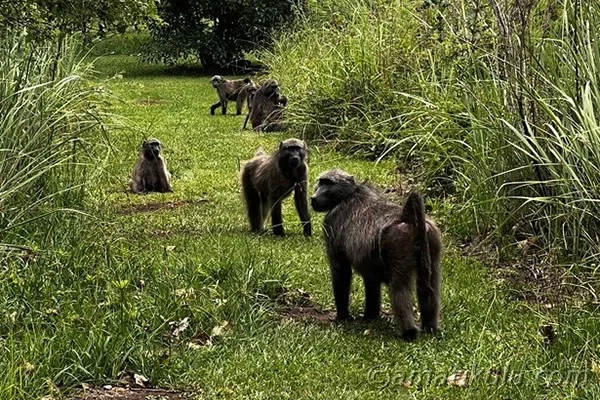
One of the unique aspects of staying in a wilderness area like Injisuthi Camp is the close proximity to wildlife. To prevent issues with baboons, visitors should:
- Secure their camp setup when away
- Keep all windows and doors closed
- Cover any open vehicle areas
- Ensure no food or waste is left accessible
With these precautions, you can enjoy a peaceful and trouble-free stay at Injisuthi Camp.
Facilities and Services at the Camp
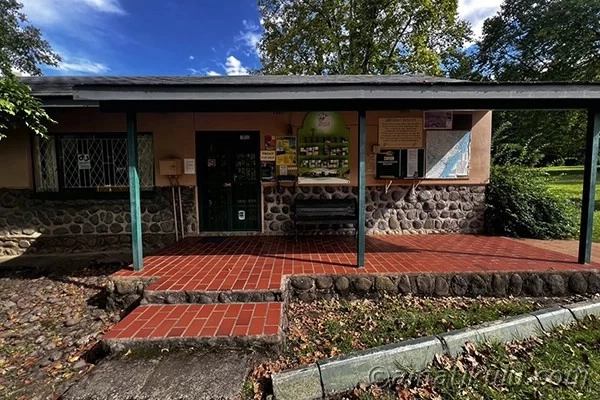
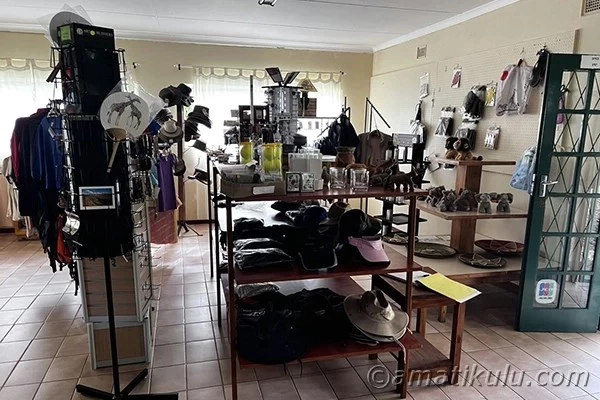
Injisuthi Camp is not just about the spectacular scenery and adventure; it’s also about comfort and convenience. The camp offers a limited selection of basic groceries at the reception office, although visitors are encouraged to bring their own food and drinks due to the nearest town being 60 km away. In case you forget something, a curio shop on-site provides a selection of essentials for campers.
The campsite hosts a total of 20 semi-private sites accommodating up to 120 guests. Each site comfortably fits a group of up to six people, offering braai stands and drying racks. Although caravans are not permitted, the site is accessible to all vehicles. The central ablution block provides hot and cold water, with well-maintained showers and baths. While there are no electricity plug points at the campsites, a generator provides general lighting until about 10 pm. MasterCard and Visa credit card payments are accepted at the camp.
Booking Your Stay
Visitors must pre-book their stay to ensure accommodation is reserved. Booking can be made through the online booking system.
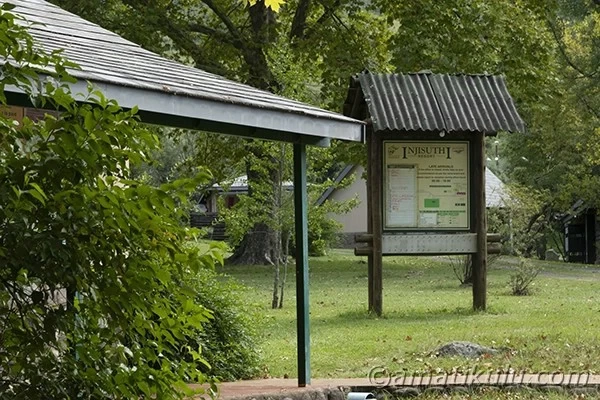
Upon arrival, guests need to check in at the camp’s reception office. The office will open for guest registration even if it appears closed, ensuring a smooth arrival process.
Summary
In summary, Injisuthi Camp offers an unparalleled wilderness experience. From the serene beauty of the Injisuthi Valley to the adventure of hiking and trout fishing, from the rich cultural heritage of the San rock art to the diverse wildlife and natural beauty, the camp has something for everyone. Whether you’re seeking tranquility or adventure, a visit to Injisuthi Camp is a journey of discovery, promising unforgettable experiences and memories to cherish.
Where is Injisuthi?
Injisuthi is located in the northern section of the Maloti-Drakensberg Park, between the Injisuthi and Cowl Fork rivers at the head of the Injisuthi Valley. It is part of a World Heritage Site established in 2001.
How do you get to Marble baths?
Start the hike at Injisuthi Camp and follow the route towards Fergy’s Cave. After 5km, turn right and cross over the river, then continue 3km with a 200m elevation gain to reach Marble Baths.
How can I book my stay at Injisuthi Camp?
To book your stay at Injisuthi Camp, you can use our online booking system.
What facilities are available at Injisuthi Camp?
Basic groceries, a curio shop, well-maintained ablutions, semi-private campsites, basic braai facilities, and a central ablution block with hot and cold water.
What are the hiking options at Injisuthi Camp?
Day hikes like Van Heyningen’s Pass to View Point and the Centenary Hut, as well as multi-day treks with designated overnight caves for hikers.